
BOLIVIA
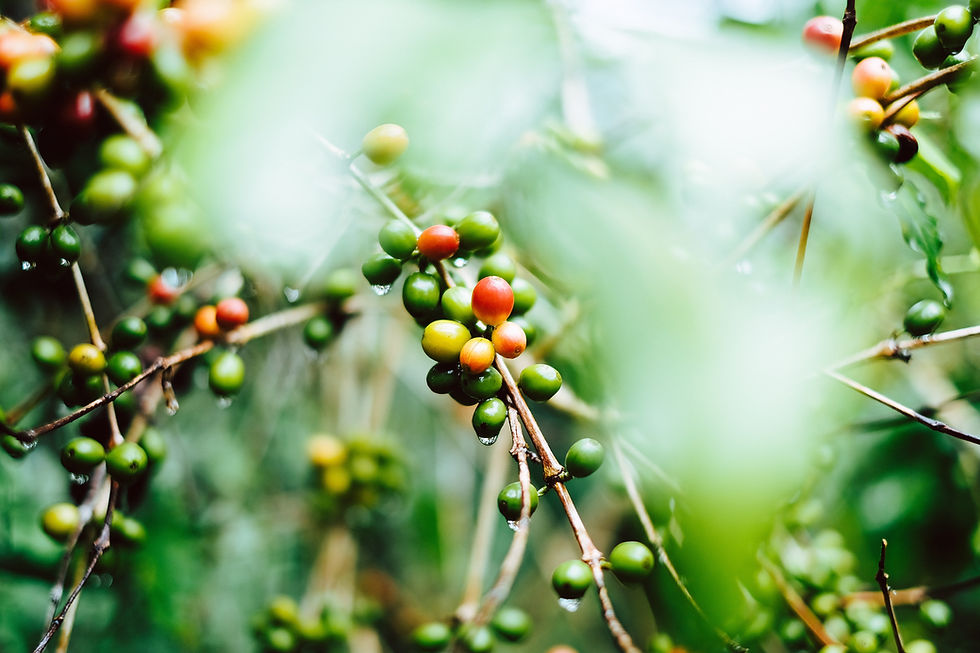
Bolivia is a land of breathtaking contrasts, where soaring Andean peaks meet vast salt flats, lush Amazonian jungles, and vibrant indigenous traditions. It is one of South America’s most visually stunning and culturally rich destinations. Bolivia is a country of wonder, where nature and culture intertwine to create unforgettable experiences. The coffee cultivated on this land embodies every bit of it's rich history and landscape.

COFFEE PROCESSING METHODS
Washed
The washing process starts with the pulping stage, where the mucilage is removed through fermentation. This can be achieved using tanks or channels for washing, which allows for the separation of good beans, empty beans, and other impurities. Afterwards, the beans are dried to obtain the desired physical quality.
Honey
The coffee fruits are pulped and then dried with the mucilage still attached to the bean. The classification before pulping and drying are the most important stages, as the final quality of the product depends on them. If the process is done properly, sweet and fruity sensory attributes can be presented while maintaining the level of acidity.
Natural
This method is based on the dehydration of the coffee fruit, without removing its pulp or mucilage until the product reaches a moisture content of 11-12%. This generates a slower drying process, with greater absorption and concentration of sugars in the bean. Therefore, it results in a greater intensity of characteristics such as body, sweetness, aroma, and acidity.


